
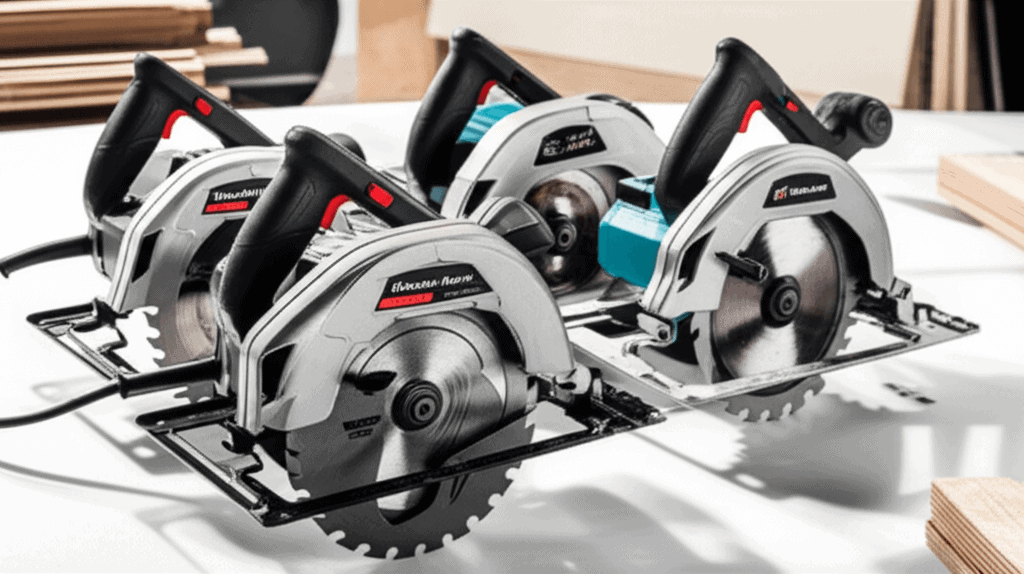
Circular saws make quick work of daily projects and stand as essential tools for anyone fixing up their home or diving into DIY fun. Compact but powerful, they slice through wood and plastic like a hot knife through butter and, with the right blade, they cut thin metal and masonry just as smoothly. Building a simple shelf or fixing up plywood no longer drags on when armed with the right saw and a few smart tricks. Folks aiming to finish projects faster and easier will find these tips change the game, turning tough cuts into smooth rides. Discover the secrets that make every cut feel like a breeze, and watch your work speed soar.
This article walks through how to select a circular saw that fits regular use, how to maintain it, and practical tips for common tasks. Expect examples on blade choice, power considerations, safety practices, and cost conscious options that keep performance high without overspending.
Why circular saws work well for everyday projects
Circular saws combine versatility with speed. They can rip boards, crosscut lumber, cut sheet goods, and make bevel cuts when needed. For many daily jobs a circular saw is faster than a handsaw and more portable than a table saw. The basic design places the blade to one side of the motor so you can cut close to walls and into confined spaces. That layout is great for on site projects and quick fixes around the house.
Another reason they are ideal for routine work is that interchangeable blades address different tasks. A construction grade blade is good for framing lumber. Finer tooth blades give cleaner cuts for finish pieces. Choosing the blade for the material at hand keeps cuts accurate and reduces wasted material.
How to choose the right circular saw for daily use
Picking a saw starts with understanding the kinds of projects you do most often. If you cut a lot of sheet goods a 7 1/4 inch blade gives deeper capacity and is common enough that replacement blades are easy to find. If portability and light weight are priorities a smaller 5 1/2 inch saw may be a better match. Consider the balance between cut depth and handling.
Blade size and tooth configuration
Blade diameter determines maximum cut depth. Common sizes are 4 1/2 inch, 5 1/2 inch, 6 1/2 inch, and 7 1/4 inch. Tooth count matters too. Lower tooth counts remove material quickly and are useful for rough cuts. Higher tooth counts yield smoother edges and are better for plywood and finished work. Match blade type to material to reduce chipping and extend blade life.
Motor power shape and speed
Motor specification is another selection factor. Corded models list amperage which speaks to raw cutting force. Cordless models show voltage which affects runtime and power. Higher RPM values can produce faster cuts but may demand tougher blades. For daily use choose a saw where the motor feels stable under load and does not bog down while cutting common materials you handle.
Power source choices and practical trade offs
Corded saws provide steady power and can run indefinitely. That makes them a strong option for workshop use and longer projects. Cordless saws give mobility without dragging a cord around a job site. Modern battery technology has improved run time and power, but batteries add weight and need charging. For daily tasks where you move from room to room a cordless saw often wins on convenience. For sustained heavy cutting the corded option tends to be more economical in the long term.
Safety basics for frequent users
When a tool gets used every day it is easy to fall into casual habits. Keep safety front and center and make a short checklist part of each session. Inspect the blade for missing teeth, ensure the guard works, and verify the saw is unplugged or the battery is removed when changing blades. Use clamps to secure work and wear eye protection and hearing protection for longer cuts.
Setup and cutting technique
Measure twice and mark clearly with a pencil. Support long work at both ends and near the cut line to reduce binding and kickback. When starting a plunge cut allow the blade to come up to speed before making contact. For rip cuts guide the saw along a straight edge or a guide rail to keep cuts true and reduce the need for sanding after the cut.
How to reduce common hazards
Kickback happens when the blade binds and throws the material back toward the user. Avoid pinch points by supporting the cut piece so it cannot fall and pinch the blade. Keep hands away from the blade path and never reach behind a spinning blade. Regularly clean dust from vents to prevent overheating and possible motor failure.
Maintenance that keeps a saw reliable
Routine maintenance extends the life of a saw and improves cut results. Clean dust from around the motor and blade guards after each session. Inspect brushes in brushed motors and replace them when worn. Check the base plate for flatness. A warped shoe can cause inaccurate cuts. Keep a small supply of replacement blades and check bolts and fasteners periodically.
Sharpening a blade is possible but often it is more cost effective to replace an inexpensive blade when tooth wear affects cut quality. Storing blades in a dry place prevents rust and keeps teeth sharp longer. For daily work have at least two blades on hand, one for rough work and one for finish cuts.
Accessories and attachments that improve results
- Guide rails and rip fences help deliver consistently straight cuts when you do a lot of sheet goods
- Dust collection adapters reduce cleanup and keep vents clear so motors run cooler
- Clamps and sawhorses stabilize material which increases safety and accuracy
- Carrying cases protect the saw during transport and make organization easier
Investing in a few well chosen accessories changes how fast projects go and how neat the cleanup is after each session. For those on a budget there are affordable workbenches and guide rails that pair well with basic saws and raise final results significantly.
Common daily projects and how to approach them
Here are examples of routine jobs and practical tips for each
- Building a simple shelf
- Use a finish blade for face edges and a construction blade for internal framing
- Cut parts for final assembly with a guided rip to ensure squares fit together
- Replacing baseboard trim
- Set the saw to a shallow depth for clean mitered cuts and use a fine tooth blade for clean edges
- Practice miters on scrap before cutting finished material
- Cutting plywood for cabinets
- Clamp a guide rail and use a high tooth count blade to reduce tear out
- Score the cut line first with a knife on veneered plywood for the best finish
Picking a saw on a budget with long term value
Budget saws can handle most daily needs if selected with care. Look for a reputable name in tools, decent warranty terms, and replacement blade availability. Read reviews focused on real use cases rather than only specs. If you find yourself cutting tile or stone occasionally check options specialized for those tasks and compare cost to renting a dedicated tool. For quick reference about low cost tile cutting equipment try this list of low price tile saws that performs well for occasional use best tile saws on a budget.
When evaluating price remember that comfort features matter for daily use. A saw that is easy to hold, has a useful bevel detent and an accurate shoe will be more pleasant to use over time, and that reduces errors and wasted material.
Final checks before buying
Before purchase test the saw if possible. Check how it feels in your hand, whether controls are reachable, and how stable it runs. Verify blade change is simple. Check that blades you will need are sold at reasonable prices. Factor in batteries for cordless models. A modestly higher upfront price for a model with a good warranty and available parts can be cheaper over the useful life than the lowest price saw.
Also think about where you will use the saw most. If you are often in tight spaces a compact model with a small shoe will make certain cuts feasible that a larger saw cannot handle easily. For workshop use with long runs of material a corded model paired with a guide setup will be faster and remove the worry of battery life.
Whether you are a weekend DIYer or someone who completes small jobs every day the right circular saw will make many tasks quicker and less stressful. Use the guidance here to refine your buying criteria, keep safety practices in place, and maintain your saw so it remains a dependable tool for years. If you have a specific project in mind ask about blade choice and cutting technique and get tailored suggestions.
Conclusion
When circular saws become part of regular work they repay the investment with speed and flexibility. Choosing the right blade and motor type matters most. Keep safety checks consistent and clean and maintain the saw so it does not lose performance. Accessories like guide rails and dust adaptors make daily jobs neater and faster. Small decisions such as selecting a higher tooth blade for finish work or using a guide for sheet goods produce visible improvements in the final result. Start by listing the common materials and cuts you face, then choose a saw that matches those needs. Finally hold the saw properly, support stock correctly and replace blades when they dull. Put these ideas into practice this week on a small project and observe how much time you save and how much cleaner the results are. If you need product ideas or want feedback on a planned purchase send your list of needs and budget and get specific recommendations.